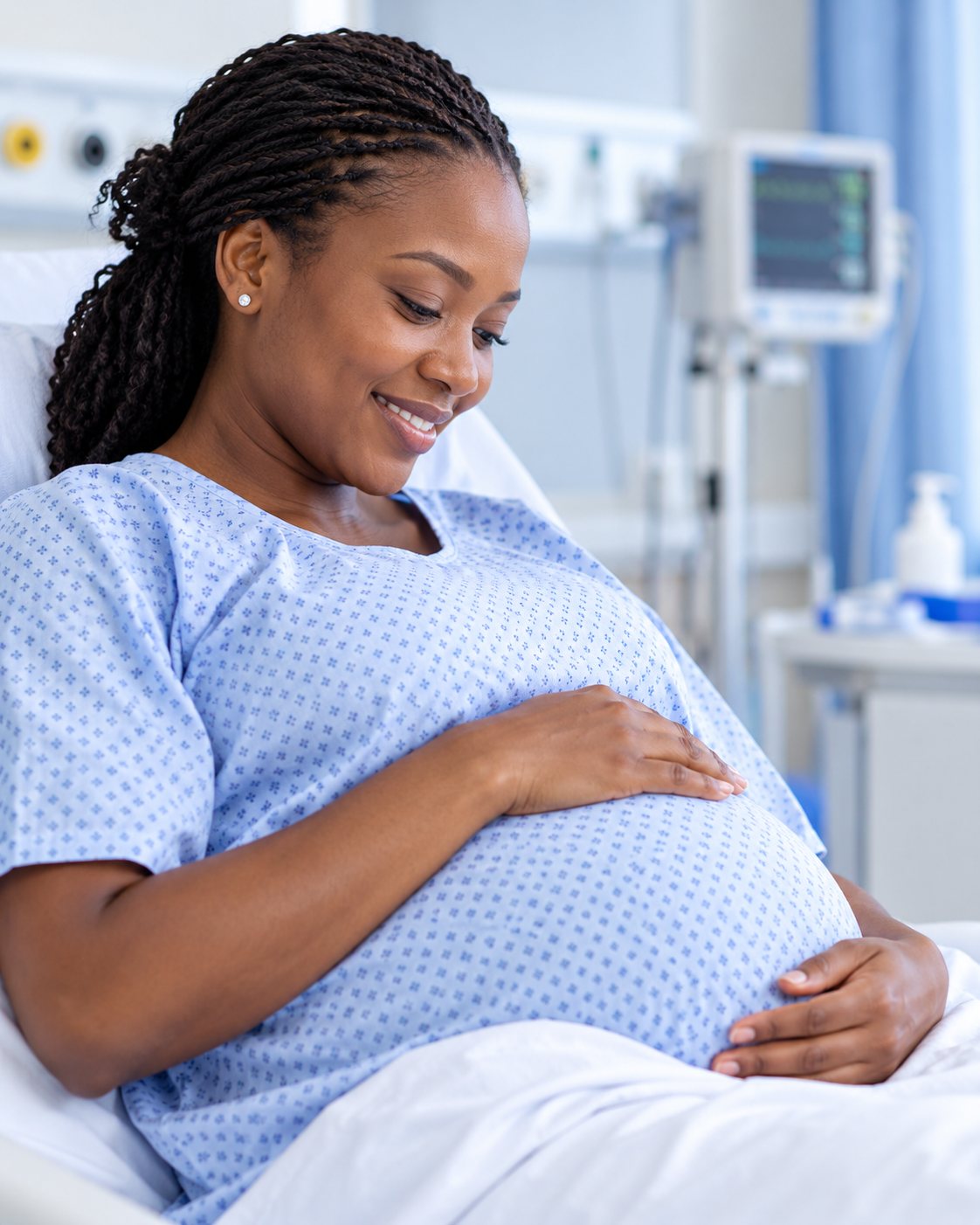
Most pregnancies go well. But complications can appear suddenly, even in a woman who has felt fine until then, and some can become life-threatening within hours. In Cameroon, the main causes of maternal death are heavy bleeding, obstructed labour, pre-eclampsia and eclampsia, and infections. Many of these deaths can be prevented when a woman recognises the warning signs and reaches a hospital in time.
Keep this list close at hand, and share it with your partner and your family.
Come to the hospital immediately if you have
- vaginal bleeding, at any stage of pregnancy, even if it is light;
- a severe headache, especially with blurred vision, flashing lights or pain under the ribs;
- convulsions (fits) or loss of consciousness;
- difficulty breathing or chest pain;
- a high fever, with or without chills;
- severe abdominal pain that does not go away;
- loss of fluid from the vagina before labour starts (your waters breaking);
- reduced or no movements of your baby, once you have started to feel them regularly;
- sudden swelling of the face, hands or feet;
- regular contractions before 37 weeks, which may be a sign of preterm labour.
See a health worker the same day if you have
- vomiting that stops you from keeping food or drink down;
- burning or pain when passing urine;
- unusual vaginal discharge or itching;
- extreme tiredness, dizziness or unusual paleness, which may be signs of anaemia.
Why these signs matter
Each of these signs can point to a serious problem that needs urgent care:
- bleeding may come from the placenta or, in early pregnancy, from a miscarriage or an ectopic pregnancy;
- headache, blurred vision, swelling and fits can be signs of pre-eclampsia or eclampsia, which are linked to dangerously high blood pressure;
- fever may signal malaria or another infection, which can harm both mother and baby;
- fewer movements may mean that the baby is in distress.
In every case, rapid care can save lives. Do not wait until the next morning or your next appointment, and do not rely on self-medication or traditional remedies.
Plan ahead
A good birth plan helps you act quickly in an emergency. With your partner or family, decide in advance:
- which hospital you will go to, and how you will get there at any time of day or night;
- who will go with you, and who will look after your other children;
- how you will cover the costs, and whether you can benefit from the national chèque santé;
- who could donate blood if needed;
- where your documents are: ID card, maternity booklet, test and ultrasound results.
Regular antenatal visits also help. They allow us to check your blood pressure, detect anaemia and infections, and identify risks early, before they become emergencies.
We are open day and night
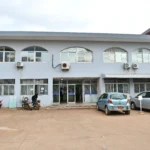
At YGOPH, our maternity and our obstetric emergency service are open 24 hours a day, 7 days a week. Our obstetricians, midwives, anaesthetists and paediatricians work as one team, with an operating theatre, a blood bank and a neonatal unit on the same site. Women referred from other health facilities are welcome at any hour; a referral letter and any available results help our team act quickly.
If you have a danger sign, come directly to our maternity, or call (+237) 670 607 278. To start or continue your antenatal care, book an appointment or visit our Obstetrics & Maternity page. Please share this list with every pregnant woman you know: it could save a life.